
Why Online Reviews Matter for Local Search and Customer Decisions
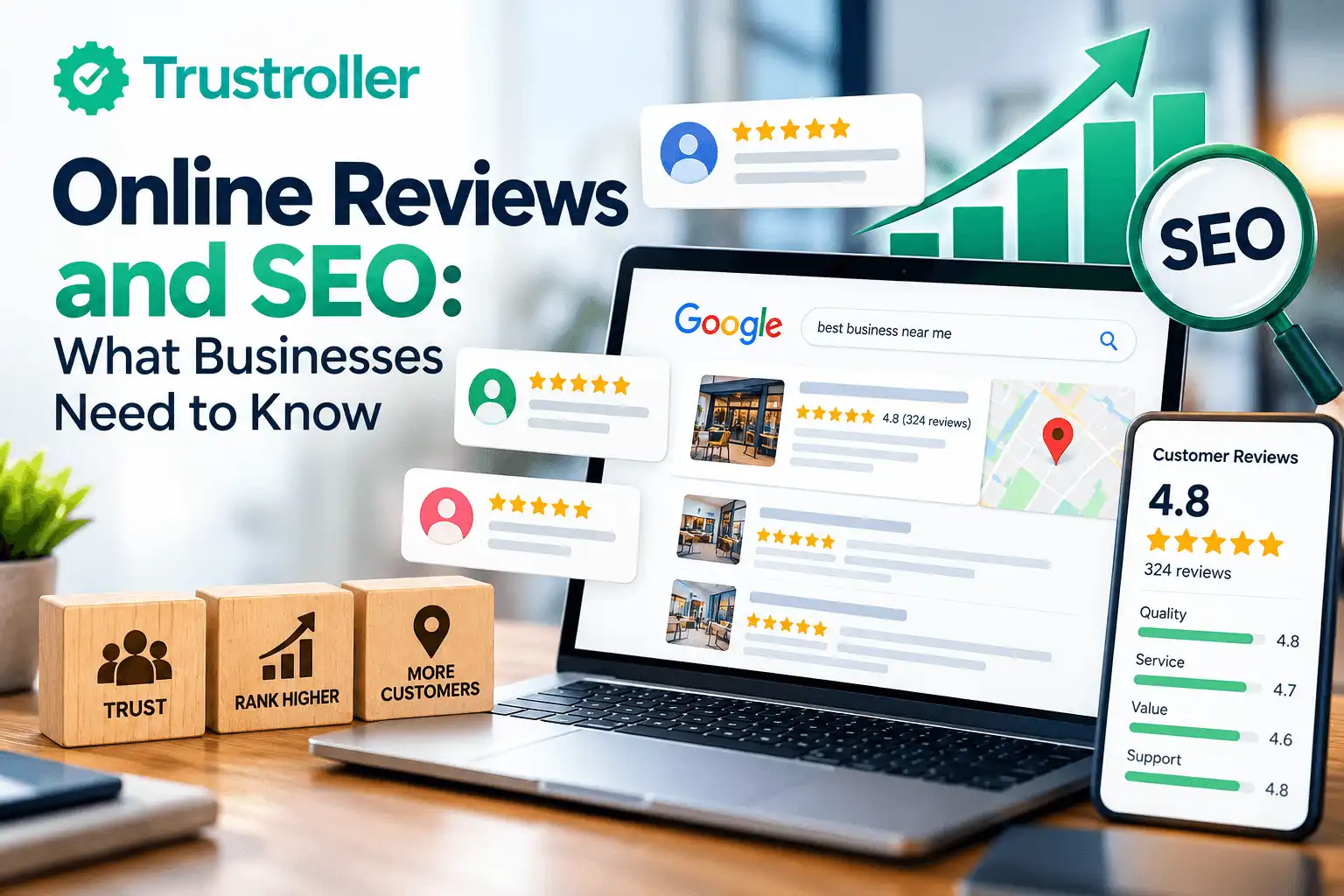
The first thing to understand about online reviews and SEO is the difference between local search results and ordinary organic website results. Local results often appear when someone searches for a service in a particular area, such as “electrician near me” or “coffee shop in Bogura.” These listings may feature a map, operating hours, directions, phone numbers, ratings, and customer comments. Google's published explanation says local ranking is mainly based on relevance, distance, and prominence. Relevance concerns how closely a business matches the search, while distance considers its location relative to the searcher. Prominence reflects how well known the business appears, and Google says review count and positive ratings can help local ranking.
The official explanation is available in Google's guidance on improving local ranking. This does not mean that buying hundreds of ratings will make a distant or irrelevant business appear first, or that an SEO agency can promise a fixed position. It means legitimate reviews are one part of a much larger local discovery system. Ordinary organic results work differently. A page about accounting software, for example, may be discovered because its content clearly answers a searcher's question, because the site is accessible, and because other signals support its relevance and usefulness. A high business rating is not a substitute for those fundamentals, and there is no sound basis for promising that a new five-star review will instantly raise every website page in search. However, reviews can still matter after discovery.
A searcher may compare the reputation of several brands before choosing which result to open. Once on a website, they may look for testimonials, balanced comments, clear policies, and evidence that previous customers received support. Genuine feedback can lower uncertainty because it describes experiences from a perspective different from the company's advertising. Review content also provides practical language about what customers value. A delivery company might repeatedly see praise for clear tracking updates, while a hosting provider might discover that buyers care especially about migration guidance and response times.
These observations can inspire useful FAQ pages, support articles, and clearer product descriptions. Businesses should write such pages to answer genuine questions, not copy customer comments or stuff them with repeated search phrases. Another benefit is early problem detection. Several complaints about confusing invoices may reveal a process issue that deserves attention before another customer experiences it. Replying respectfully shows that the business listens, although no single response guarantees a ranking improvement or a sale. The broader reputation picture matters too: ratings can be outdated, small samples can mislead, and an average score may hide important context.
A business with four thoughtful reviews may give a more informative picture than one with a large collection of vague comments, even when the numerical average looks similar. Customers should read a range of experiences, and owners should assess recurring themes rather than obsessing over a single number. Ultimately, the relationship between SEO and reputation is practical rather than magical. Better visibility gives people a chance to evaluate a company; trustworthy feedback makes that evaluation more informed; and operational improvements make future feedback more useful. When businesses understand all three stages, they are less likely to chase shortcuts and more likely to create durable value. This also explains why owners should monitor brand searches and customer questions together, rather than judging search performance from the average rating displayed beside a listing alone.
Step-by-Step Guide: Audit Your Presence and Fix the Basics
Step 1: Find the places where your business is already discussed: Search for your business name, common spelling variations, important product names, and the service categories customers use. Look at your own site, relevant review platforms, social pages, directories, and, where applicable, your Google Business Profile. Record the addresses of profiles you control, note duplicate or outdated listings, and identify which pages customers actually encounter. Do not assume every platform matters equally. A neighborhood restaurant and a remote software company may depend on very different search experiences. Begin with the places where real customers naturally research businesses like yours.
Step 2: Check information for accuracy and consistency: Compare the public business name, website address, telephone number, location, service area, opening hours, and service descriptions. Correct outdated information on profiles you legitimately manage, and follow each platform's procedures to request changes elsewhere. Inconsistent details can confuse potential customers who are trying to contact you, and incomplete local profiles can make it harder for searchers to judge relevance. Use the precise business identity that customers recognize rather than stuffing a company name with unnecessary keywords. If your business operates only online, do not invent a storefront or display a public address that does not represent how the business actually works. Eligibility and profile rules vary by platform and business model.
Step 3: Establish a baseline before asking for more reviews: Create a simple worksheet with the profile name, date checked, average rating, number of published reviews, newest review date, common praise, recurring complaints, and whether a response is needed. For a small operation, a monthly review may be enough; a busy multi-location company may need more frequent checks. Add business outcomes such as calls, direction requests, qualified website visits, inquiries, or purchases only when the necessary analytics are available and appropriately configured. Record the starting figures because a change without a baseline is difficult to interpret.
Step 4: Ask for feedback after a real customer experience: Choose a sensible moment, such as after a completed appointment, delivered order, or resolved support request. Invite customers to describe their experience in their own words, including anything that could have been better. Keep the message short, optional, and respectful: thank them for choosing the business, explain that honest feedback helps others, and offer a direct route to the relevant review page. Do not demand five stars, suggest exact praise, or ask only customers who appear pleased. Selectively filtering unhappy customers away from a public review channel can mislead readers and may violate platform rules. A practical example is a single follow-up message after a service is finished, rather than repeated daily reminders. Businesses that need more help shaping a respectful request can consult TrustRoller's guide to asking customers for reviews without being pushy.
Step 5: Make participation easy without offering rewards: When the review platform permits it, use an official review link or QR code, a receipt message, or a thank-you email. Check that the link opens the correct business profile before distributing it. Ask staff to offer the same neutral invitation to eligible customers, but do not impose review quotas or encourage customers to post while feeling watched. Avoid cash, coupons, gifts, free services, and similar benefits in exchange for posting, changing, or removing reviews on Google. Its contribution rules prohibit paid or incentivized reviews and other forms of rating manipulation. Apply the rules of each platform you use; what is allowed for a private satisfaction survey may differ from what is allowed for a public review. Respect privacy and marketing preferences when sending messages, and stop following up when a customer declines.
Step 6: Respond as a helpful business, not as a defensive advertiser: Thank reviewers for specific positive observations without pasting the identical reply beneath every comment. When a review reports a problem, acknowledge the concern, explain what you can check, and offer an appropriate private support channel if personal details are needed. Do not disclose order numbers, health information, account records, or internal disputes in public. Never argue with a customer over a rating or offer compensation in return for deleting legitimate criticism. If you cannot recognize the transaction, say you would like to investigate rather than accusing the reviewer of dishonesty.
Step 7: Use review insights to improve pages that answer real questions: Read feedback for patterns and convert those patterns into useful website improvements. If buyers repeatedly mention difficulty understanding installation, publish clear setup instructions. If customers praise a feature that your service page barely explains, add an accurate explanation and relevant examples. If several reviews mention unexpected delivery conditions, revise your shipping information so expectations are clearer before purchase. These changes are valuable because they help users, not because a particular phrase appearing in a review guarantees search visibility. Keep page titles descriptive, organize service pages by genuine user needs, check that contact details are correct, and make important information accessible on mobile devices. Do not copy customer statements out of context or publish personal details without permission.
Step 8: Show authentic social proof without misusing review markup: You may present customer testimonials on your website when you have appropriate permission, accurate attribution, and a fair presentation that does not invent outcomes. A short excerpt should represent the original meaning, and readers should be able to distinguish customer opinions from company claims. Avoid presenting a handpicked collection as if it were every customer's experience. Structured data is another topic that deserves caution. Search engines sometimes display review stars for eligible content types, but adding rating code does not guarantee a rich result. Google's review-snippet rules specifically make self-serving LocalBusiness and Organization ratings ineligible for star review features when a business controls the reviews about itself, including through an embedded third-party widget. Other types have separate eligibility and content requirements. Therefore, do not promise clients that placing star schema on their own company homepage will create organic search stars. Test legitimate structured data when relevant, ensure marked-up content is visible, and follow the current search documentation rather than relying on outdated plugins or marketing promises.
Step 9: Measure outcomes with realistic expectations: Review activity alongside useful business indicators: profile views where available, calls, direction requests, relevant search impressions, organic landing-page visits, contact form submissions, and completed purchases. Google Search Console can help website owners examine search queries and landing-page performance; web analytics can help them understand what visitors do after arriving. Business Profile performance reports can add local interaction context for eligible businesses. No single metric tells the whole story. A rise in five-star reviews alongside unchanged bookings could indicate that customers appreciate the service but struggle with pricing or checkout. More impressions without relevant inquiries could mean your pages attract people who are not ready or qualified to buy. Compare similar periods, account for seasonality and campaigns, and avoid attributing every improvement to reviews.
Use a simple monthly report that separates activity (requests sent, reviews received, replies posted), experience (recurring praise and unresolved complaints), and outcomes (qualified contacts, orders, or other useful actions). Choose one or two changes to test during the next month. A repair shop might clarify appointment availability, while a digital service could simplify onboarding emails. Then watch whether new customer questions become easier to answer. A thoughtful review strategy should improve customer understanding and the business itself, even during periods when search rankings do not move. By linking feedback to useful pages and measurable service outcomes, you transform reviews from decorative star icons into practical information that guides decisions and improvement. Revisit the findings regularly with staff.
Common Mistakes to Avoid
A review program can become counterproductive when a business focuses on appearances more than customer experience.
Mistake one: buying or arranging fake reviews: Fabricated praise gives future customers misleading evidence and may trigger platform enforcement. It also prevents the owner from learning what real customers think.
Mistake two: asking only happy customers: A process designed to block criticism creates a distorted picture and, on platforms such as Google, conflicts with rules against selective solicitation.
Mistake three: treating ratings as a guaranteed SEO formula: Search is influenced by multiple factors, and local visibility is not determined by stars alone.
Mistake four: ignoring thoughtful negative feedback: Silence may leave reasonable questions unanswered, while a hostile reply can draw more attention to the disagreement. For more guidance, see TrustRoller's article on handling negative business reviews professionally.
Mistake five: repeating generic responses and keywords: Identical promotional replies can sound insincere and fail to address what the customer actually experienced.
Mistake six: confusing suspicious signs with proof of fraud: A new account or a short comment is not automatically fake. Investigate patterns, preserve evidence, and use the platform's reporting process where appropriate. TrustRoller explains these distinctions in its guide to identifying fake business reviews online.
Mistake seven: publishing review stars through inappropriate schema. Self-serving rating markup is not a legitimate shortcut to visible stars for a business's own organization pages.
Mistake eight: chasing review quantity while leaving service failures unresolved. More feedback cannot compensate for consistently broken promises. A straightforward thirty-day checklist helps owners replace these habits with accountable work.
Comments (0)