
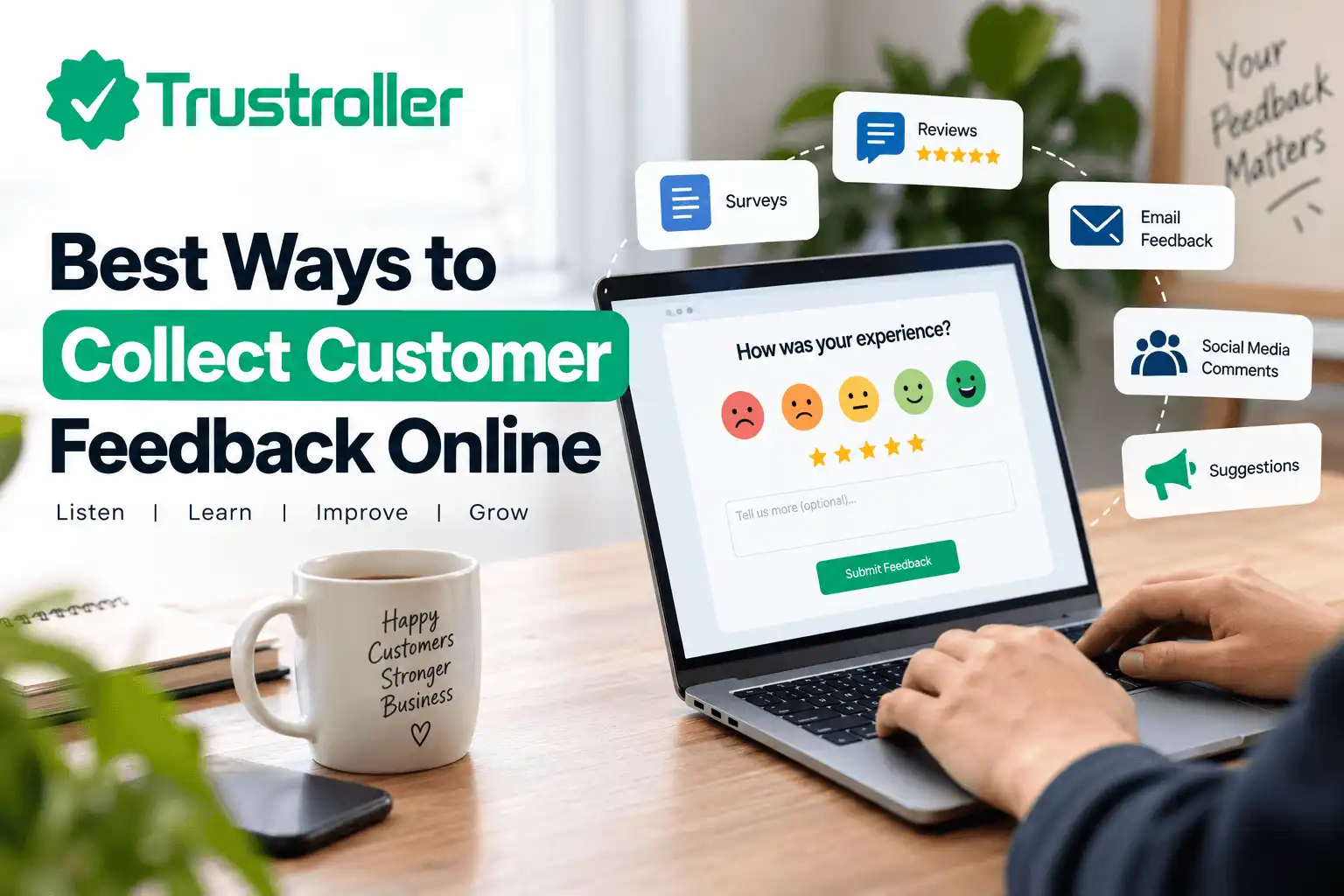
Customers are one of the valuable sources of information a business has because they experience your products, services, website, support process, delivery system and overall brand from a perspective that internal teams cannot fully reproduce. This is why learning how to collect customer feedback has become an important part of running a customer-focused business. Whether you operate a store a local service company, a SaaS platform a digital agency or a growing startup customer opinions can help you understand what is working well and where improvements may be needed.
Online feedback can come in forms, including reviews, surveys, ratings, support conversations, email responses, website forms, social media comments and direct messages. The goal is not simply to collect as comments as possible. A useful feedback system makes it easy for customers to share experiences while giving your business enough context to understand and act on those responses. For beginners this may sound complicated. It does not require expensive software or a large customer experience department.
You can begin with methods such as adding a feedback form to your website sending a short survey after a completed order inviting customers to leave an honest review or asking a brief question after a support conversation. The important part is to keep the process convenient, transparent and respectful.
Customers should understand why you are asking for feedback how long it may take and how their responses may help improve the service. When businesses consistently listen to their customers of guessing what customers want they can make better decisions based on real experiences. A structured approach, to feedback can therefore support stronger customer relationships improve products and services identify recurring problems and help a business create a better overall customer experience.
Why Businesses Should Collect Customer Feedback Online
There are reasons why companies should often gather customer feedback online but one of the most important benefits is that feedback can show problems and chances that are not obvious just from sales numbers. For instance a company might see that a product is selling a lot. Customer comments might show that the checkout is hard to use delivery updates are not clear or some instructions for the product need fixing. Without feedback these small issues can go unnoticed until they start causing people not to buy again or not to be happy. Feedback can also show what customers like the most about your company.
If a lot of customers say the support is quick the ordering is easy the features are helpful or the staff is nice those answers can help you know which good parts should stay and grow. Online customer feedback is useful because it can be collected at points in the customer experience. A visitor can give feedback about how the website works a new customer can talk about the buying process and an existing customer can share thoughts about how the product works over time or how the support's. Companies can then group this information into topics and focus on fixing the most common problems.
Another advantage is communication. When customers see that a company is open to feedback and replies in a good way they may feel that their opinions matter. This does not mean the company should agree to do everything that is asked. Some ideas might not be possible. Different customers might want different things. Instead feedback should be seen as information that helps make better choices. Companies should also remember that negative feedback can be useful if handled right.
A bad comment might show a problem that the company can fix. Of avoiding criticism companies should create a place where customers feel safe to share both good and bad experiences. By using customer feedback along, with business data companies can get a better understanding of what customers need and make changes based on real facts instead of guesses.
Best Methods to Collect Customer Feedback Online
Businesses can use practical methods to gather feedback. The best approach is usually a combination of channels of relying on only one source. Website surveys are one of the methods because they allow visitors to share comments while interacting with your website. Keep these forms simple because long questionnaires may reduce participation. Email surveys are another option, especially after a purchase, completed service, subscription renewal or support interaction. A short email with one request is usually easier for customers to understand than a message containing several unrelated questions.
Online reviews are also a source of customer feedback because they allow customers to describe their experiences in their own words. Businesses can invite customers to share feedback through a review platform such as TrustRoller provided the request is neutral and does not pressure customers to leave only positive comments.
Customer support conversations can provide feedback as well. Support tickets, live chat discussions and customer emails often contain repeated questions or complaints that can reveal areas where instructions, product features or website content need improvement. Social media is another source of feedback although comments from networks should be interpreted carefully because they may represent only a small portion of the overall customer base.
Businesses can also use polls to ask customers about preferences between features, content topics or service improvements. Usability testing can be useful for websites and applications because watching how people interact with a product may reveal problems that customers do not always describe directly. Another option is a feedback page where visitors can submit suggestions at any time. Whatever methods you choose avoid manipulating the process.
Do not offer rewards in exchange for positive reviews hide criticism or make it difficult for dissatisfied customers to provide feedback. A reliable feedback program should encourage experiences, from different types of customers. By combining surveys, reviews, support feedback, website forms, social conversations and other appropriate channels businesses can gain a balanced understanding of how customers experience their products and services.
Common Mistakes When Collecting Customer Feedback
One of the common mistakes that businesses make when trying to collect customer feedback online is asking too many questions at once. Customers may be willing to answer one or two questions but a long survey containing dozens of fields can feel like work. Another mistake is asking questions that produce answers that are difficult to use. Of asking "What do you think about our business?" consider asking about a specific experience such as ordering, delivery, support or product usability. Timing is also important. Asking for a product review immediately after a customer places an order may not make sense if the customer has not yet received or used the product. Businesses should give customers time to form a genuine opinion before requesting detailed feedback.
Another serious mistake is requesting positive feedback. A trustworthy feedback process should allow customers to share both negative experiences without pressure. Businesses should also avoid becoming defensive when customers provide criticism. Even when you disagree with a comment responding politely and professionally is usually more productive than arguing.
Ignoring feedback is another problem. If customers repeatedly report the issue but businesses never investigate it the feedback process loses value. However businesses should not make changes based on one isolated response either. Look for patterns consider the context. Compare customer comments with other information before making decisions.
Privacy is also important. Avoid asking customers to provide personal information through public feedback forms and make it clear when responses may be displayed publicly. Businesses should also avoid sending many survey emails or review requests. Excessive communication can make customers unsubscribe. Ignore future messages.
Finally do not focus on ratings. A number such as four out of five can provide a summary but written comments often explain why customers chose that rating. By avoiding these mistakes businesses can create a feedback process that is easier for customers to use and more useful, for improving operations.
Customer Feedback Collection Checklist
Before starting or making changes to your feedback system use a checklist to ensure the system works well for both your customers and your business. First decide the purpose of each feedback request. Make sure you know if you are trying to learn about website ease of use, product happiness, delivery quality, customer help or another part of the experience. Second pick a way to get feedback. This can be email, a website form, a review site, follow-up questions during support, social media or a mix of these.
Third keep questions to understand. Customers should be able to read each question and know what to do without needing explanations. Fourth make sure the feedback process works on devices because many customers use phones or tablets to respond. Fifth pick the time to ask for feedback. Only ask about an experience after the customer has had time to think about it. Sixth let customers give feedback. Don't only ask for comments or high scores. Seventh tell customers when their feedback might be shared and don't ask for any information that is not needed.
Eighth set up a way to sort responses into groups like support, website, product, delivery, price or ideas for new features. Ninth check feedback often of letting responses sit for months without looking at them. Tenth look for the comments over and over before making big changes. One unusual comment may not mean much. Many similar ones could show a problem worth fixing. Eleventh make sure someone on your team is, in charge of feedback so that someone knows to look at it or respond to it.
Twelfth tell customers when changes are made because of their feedback. Finally keep working on improving the feedback system itself. If customers don't finish surveys the questions may be too long. The timing may be wrong. A good feedback system grows over time. The goal is not to create a study but to create a regular way to hear from customers understand their experiences and use the useful information to improve the business.
Frequently Asked Questions About Collecting Customer Feedback Online
What is the easiest way to collect customer feedback online?
For many small businesses, the easiest starting point is a short website form, post-purchase email survey, or online review request. Choose one method that matches the customer journey and keep the request simple.
How many questions should a customer feedback survey contain?
There is no perfect number for every business, but shorter surveys are usually easier for customers to complete. Ask only questions that have a clear purpose, and consider including an optional comment field for additional information.
When should I ask customers for feedback?
The best timing depends on the experience. Product feedback should normally be requested after the customer has received and had time to use the product, while support feedback can be requested shortly after an issue is resolved.
Should businesses respond to negative feedback?
When a response is appropriate, it should remain polite, factual, and professional. Avoid arguments or sharing private customer details publicly. Negative feedback can sometimes reveal issues that need investigation.
Can customer reviews help improve a business?
Reviews can provide information about recurring strengths and weaknesses, especially when businesses evaluate multiple reviews rather than focusing on a single comment. If you want to understand this topic further, read TrustRoller's guide on Why Customer Feedback Is Important for Business Growth and its article on How to Handle Negative Business Reviews Professionally.
Should customers be rewarded for leaving reviews?
Businesses should be careful with incentives because rewards may affect how feedback is perceived and some platforms have specific policies regarding incentivized reviews. Never make a reward conditional on leaving positive feedback.
How often should feedback be reviewed?
This depends on your business volume, but creating a regular schedule—such as weekly or monthly—can help ensure important patterns are not ignored. The main goal is to turn customer feedback into useful information that supports ongoing improvement.
Final Thoughts: Start Listening to Your Customers Today
Collecting customer feedback online can be simple not complex. I have seen that a successful customer feedback strategy starts by making it easy for customers to share experiences and by giving your business a steady way to review the customer feedback. Start small. Add a customer feedback form to your website send a simple survey after each transaction look over customer support conversations for common issues and invite real customer feedback through a trusted review platform.
As more customer feedback comes in sort it into categories and look for patterns that can guide improvements. Remember that customer feedback should not be seen as a race to get five‑star ratings. Positive customer feedback shows what customers appreciate while constructive criticism highlights chances to improve. Both types of customer feedback can be valuable when looked at carefully and in context.
Businesses should also speak respectfully with customers, guard information follow the rules of the platforms they use and avoid misleading review practices. Over time a consistent customer feedback process helps a business understand customer expectations clearly and makes better decisions about products, services, support and the whole customer journey.
If you want a place to manage and understand customer experiences visit TrustRoller to see how customer reviews and customer feedback can help your business. Begin with one customer feedback channel keep your questions clear listen carefully to the customer feedback. Use what you learn to build a better experience, for the people who choose your business.
Login or create account to leave comments
Comments (0)